Roux Service Spotlight: Air Emissions Management Services
Air Emissions Management Services
While providing a wide range of air emissions services over the years, Roux has recently expanded our team and our offerings. We facilitate innovative, compliant solutions for plant and property managers, corporate EHS personnel, and legal counsel.
Roux’s comprehensive services include providing all aspects of air permitting and regulatory interpretation, data tracking and recordkeeping, periodic reporting, dispersion modeling and risk evaluation, and expert support.
What’s New with Roux: Promoting Our People
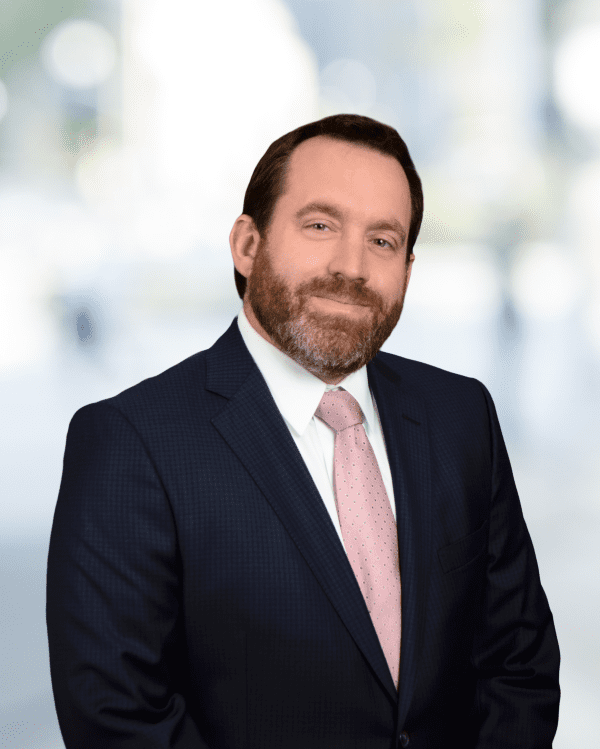
Christopher Proce, PG, CSP
Managing Director of Site Investigation and Remediation Services
A member of the Roux team since 2002, Christopher Proce was promoted to Managing Director of Site Investigation and Remediation Services earlier this year, overseeing our Energy, Real Estate, and Industrial markets, among others. “Chris demonstrated his strengths early in his career, including a strong work ethic, natural team leadership, and exceptional client management skills,” stated Roux’s CEO, Sin Senh.
In addition to his promotion, Mr. Proce is Roux’s Energy Market Leader, Vice President, and Principal Hydrogeologist with over twenty years of experience in environmental assessment, remediation, and risk management. He holds a MS in Hydrogeology from Wright State University and is a Professional Geologist (PG) in New York and a Certified Safety Professional (CSP).
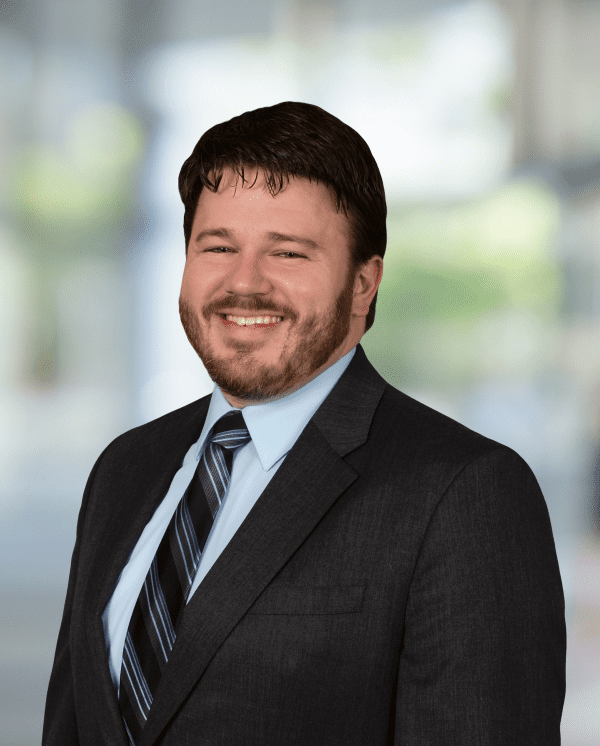
Chase Gerbig, PhD, PE
National Director of Environmental Litigation Services
Effective this month, Roux’s Dr. Chase Gerbig has been promoted to National Director of Environmental Litigation Services. A member of our team since 2013, Chase has a BSc degree in Civil & Environmental Engineering from Clarkson University and a MSc degree and PhD in Civil Engineering from the University of Colorado Boulder. He completed postdoctoral research at Yale University and is a licensed Professional Engineer (PE) in Massachusetts.
“A key distinguishing factor for Chase is his intent on providing high-quality technical work products on both litigation and engineering projects,” said Sin Senh. Chase has developed a testifying expert practice nationwide in both environmental litigation and insurance coverage litigation involving environmental contamination.
Have questions on the capabilities of Roux’s Air Emissions Management Services Team or looking to get in touch with our experts? Reach out to us below!